Quicklinks


Search
Newsletter
BSC Careers & Pathways Newsletter
Edition 1
Tuesday 16 June 2026


This newsletter is designed to keep students and families informed about the wide range of career, pathway and workplace learning opportunities available throughout the year.
From university and TAFE information to apprenticeships, traineeships, work experience, scholarships, employment opportunities and industry events, we aim to provide valuable resources to support students in making informed decisions about their future.
Career development is a journey of exploration, discovery and growth. We encourage students to take advantage of the opportunities available, ask questions, seek advice and actively engage in experiences that help them learn more about themselves and the pathways that interest them.
We hope this newsletter serves as a useful resource as students continue to explore their aspirations and plan for life beyond secondary school.
The Careers and Pathways Team
Beaumaris Secondary College

Jack Crameri

Stephanie Grant
Careers and Pathways Practitioner

Jody McCarthy
Careers and Pathways Practitioner
A range of university and industry-based events will be available during the upcoming July school holidays, providing valuable opportunities for students to explore study pathways, career options and campus life. Events include hands-on workshops, campus experiences, industry expos, webinars and discipline-specific programs across areas such as health, education, business, law, science, design, technology, trades, music and wildlife conservation.
Some highlights include:
- ACU Discover Events and Early Offer Webinar
- Experience La Trobe Melbourne
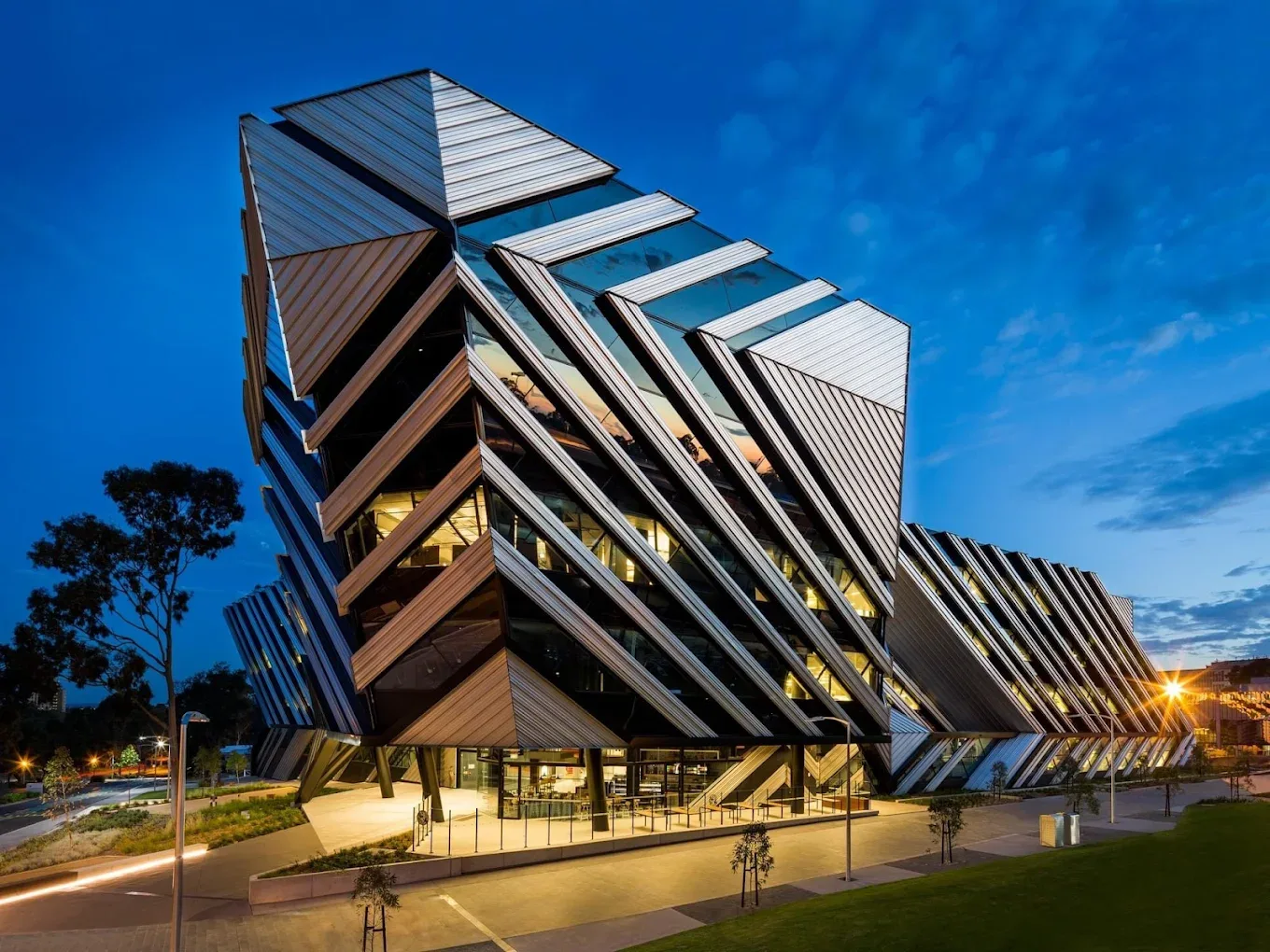
- Discover Monash workshops and Business Explorer
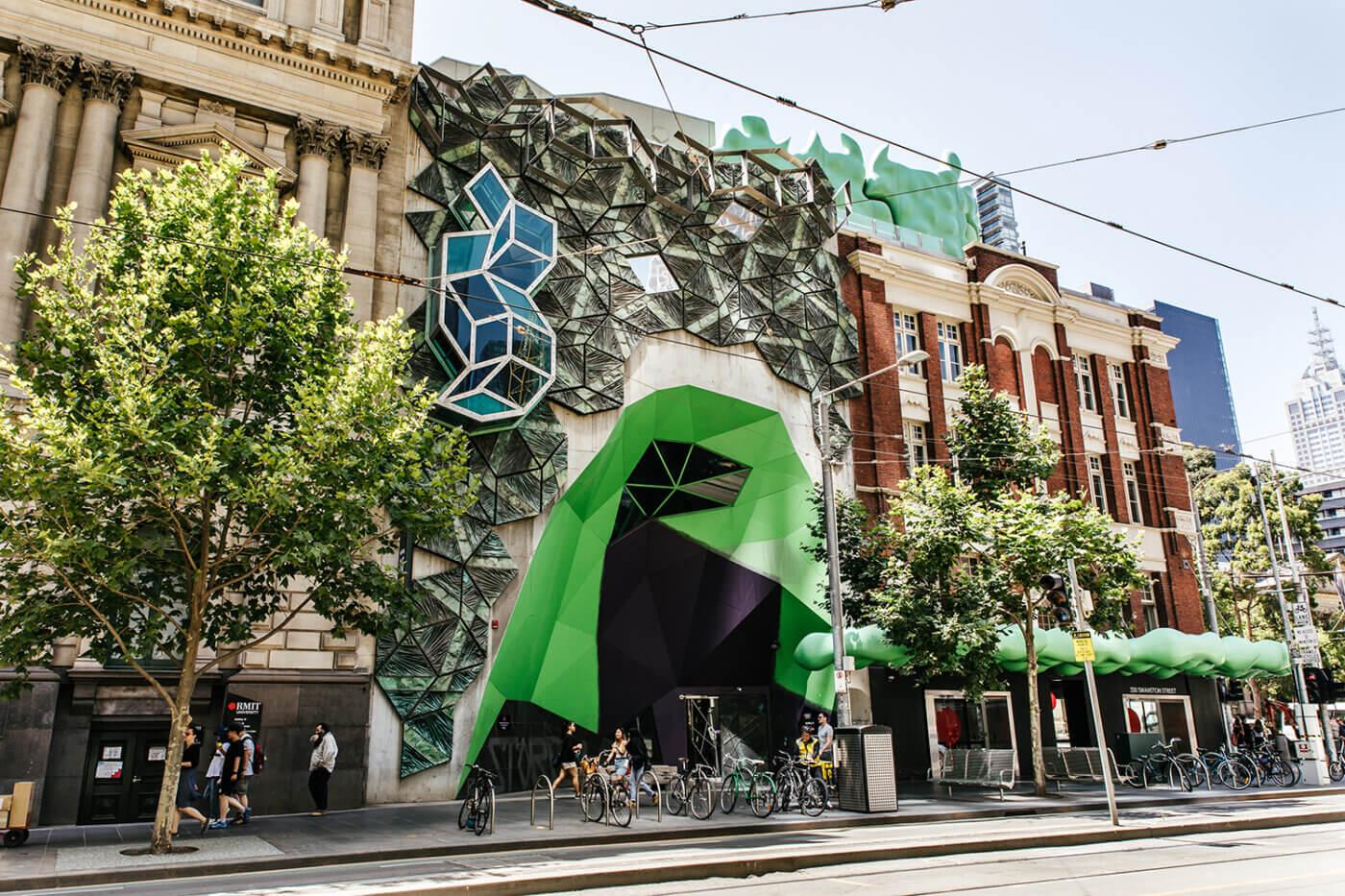
- RMIT Tech & Trades Day
- University of Melbourne A Day at Melbourne program
- University of Melbourne Jazz & Improvisation Winter Camp
- Whitehouse Institute of Design workshops
- Zoos Victoria Careers Expo
- JMC Academy Experience Day
Students are encouraged to review the attached flyer and register early, as places for many events are limited.
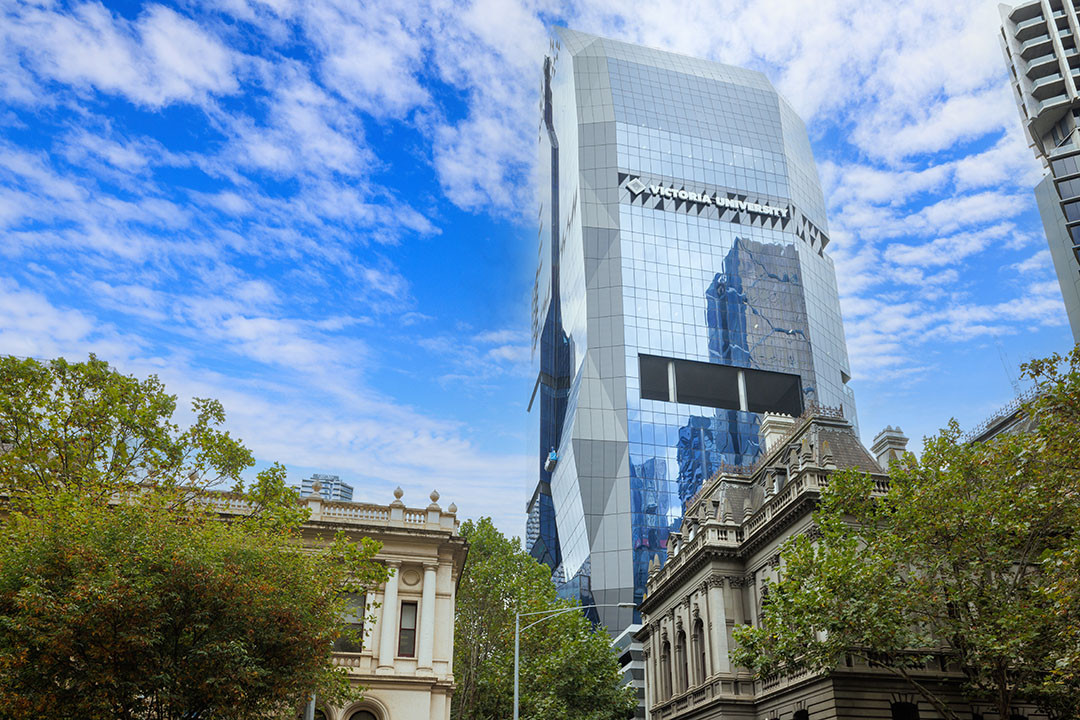
The VU Block Model
At Victoria University (VU) we have revolutionised tertiary education in Australia with our multi-award-winning VU Block Model. Feel confident and engaged in your studies with our unique VU Block Model®.
Study one subject at a time, learn in interactive, workshop-style classes, and be supported to reach your full potential.
Unlike the standard university model where students juggle multiple subjects at once over a semester, at VU students get to focus on one unit at a time over four-week or eight-week ‘blocks’, depending on the course. Students complete all assessments for each unit (subject) within each four-week block and receive their results soon after the block finishes.
The top 3 reasons VU’s Block Model is the “New Way To Do Uni” are listed below:
1) Achieve more
Not only has Block Model seen pass rates increase, but more students are also becoming high achievers with Distinctions and High Distinctions grades increasing.
2) Stand out
Block class sizes are small, students get to know their classmates and teacher, and become a working team, not just a face in a lecture theatre.
3) Build confidence
Learning in small, collaborative working groups, students are empowered to share ideas, debate concepts, and explore learning opportunities from their first class.
Students might like to watch a YouTube clip on the VU Block Model, as well as browse the link
Monash Fine Art, Design and Architecture Experience Days
Gain a better understanding of different art mediums, design thinking approaches, and architecture studios through our hands-on experience days at the Monash Caulfield campus. Students will find out what it's like to be a student for a day, meet the university staff and explore the workshop spaces Monash students get to work in.
Fine Art Folio-building |
Tuesday 30 June, 10.00am - 3.00pm |
Design Workshop - Designing for Good |
Wednesday 1 July, 9.30am – 11.30pm |
Architecture Making Workshop |
Wednesday 1 July, 12.00pm – 1.30pm |
Find out more and register at Experience day workshops - Art, Design and Architecture.
Science Precinct Tours
If students would like to take a closer look and see where they could be studying after Year 12, this is a great chance to visit the brilliant science facilities and student spaces. Get a feel for campus life and have a chat with some of our science students and staff.
Dates: Tuesday 7 July 10.00am – 12.00pm OR Thursday 9 July 10.00am – 12.00pm
Where: Monash Science Precinct, Clayton Campus
Find out more or book a spot at Monash Science Precinct Tours 2026
The Monash Design Prize
Calling all budding designers in Years 10 to 12! Submit your entry to the Monash Design Prize for your chance to win a $1,000 VISA voucher and a two-week paid internship with one of our design research labs.
Monash invites budding designers of the future to show how one might apply design to respond to some of our most urgent challenges in the world. Participants can choose any format; a poster campaign, product design, interior or public space, wearable device, digital platform...and address a particular challenge. Students can address any issue from sustainability and climate action to social equity and healthy communities.
Submissions must be made by Friday 11 September 2026.
Find out more at The Monash Design Prize - Art, Design and Architecture.
Make Music with Us
Monash’ annual 'Make Music with Us' days are open to students, teachers and music enthusiasts of all ages. Participants will learn from the teaching staff and industry experts, and experience all that Monash Music has to offer. Events are held across both semesters and includes ‘Day of Brass’, ‘Day of Classical Voice’, ‘Day of Percussion’, ‘Day of Piano’, and others.
Visit Make Music With Us to find out more.
Construction Management at Burwood Campus
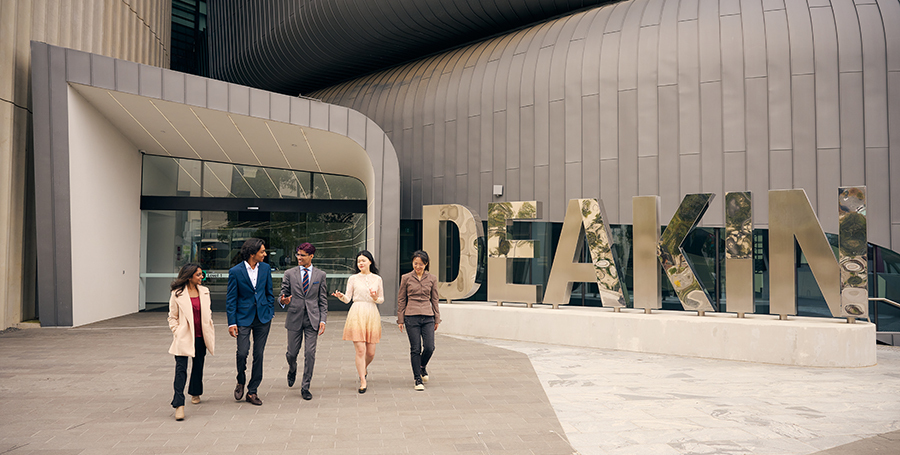
From the start of 206, the Bachelor of Construction Management (Honours) is now also offered at Deakin’s Melbourne Burwood Campus.
Students graduate with market-ready skills for careers in construction management, quantity surveying and property development. Students will also gain valuable hands-on experience through an industry placement elective, helping them kickstart their professional journey. Collaboration with Deakin’s architecture students ensures a sound understanding of both disciplines, preparing students for the real world with a well-rounded, adaptable skill set that employers look for.
This course is professionally accredited by the Australian Institute of Building (AIB), the Australian Institute of Quantity Surveyors (AIQS), the Chartered Institute of Building (CIOB) and the Royal Institution of Chartered Surveyors (RICS), meaning the degree is recognised in more than 50 countries – providing a global passport for work in Australia and beyond.
Find out more at Bachelor of Construction Management (Honours).
Bachelor of Engineering (Industry) at Deakin
Design and innovation are at the heart of engineering at Deakin. Our future-focused courses go beyond theory to provide you with the skills and experience you need to create innovative engineering solutions to the challenges of tomorrow.
The Bachelor of Engineering (Industry) (Honours) extends this to equip students with technical expertise in an engineering field of their choice whilst also supporting them to complete a 12-month paid industry placement in their fourth year.
Students undertake core engineering units in their first year before selecting to major in either civil, electrical and renewable energy, environmental and sustainability, mechanical or mechatronics engineering.
The VCE prerequisites for this course are: Units 3 and 4: a study score of at least 25 in English EAL (English as an Additional Language) or at least 20 in English other than EAL.
Units 3 and 4: a study score of at least 20 in one of Maths: Mathematical Methods or Maths: Specialist Mathematics or Maths: General Mathematics.
The ATAR for 2026 entry was 79.80.
With an international skills shortage and approximately 100,000 more engineers required in Australia by 2030,* Deakin graduates are in demand. Environmental engineers and renewable energy engineers are also among the 15 fastest-growing jobs worldwide,^ offering exciting opportunities to make a global impact.
Depending on which field of engineering a student chooses during their degree, they could work in government, the private sector, consulting, or even education and research.
* Australian Council of Engineering Deans: Shortages of Engineers and Supply Projections, Dec 2021.
^ World Economic Forum’s ‘The Future of Jobs Report 2025’.
Useful Career Guides
Have a career in mind, but not quite sure how to get there? RMIT's career guides have all the information you need to achieve your dream career.
RMIT has a range of very useful career guides – including architecture, art, aviation, biomedical science, building & construction, business & property, media & communication, engineering, fashion, law, and science.
Students are encouraged to browse Career guides - RMIT University to find out more.
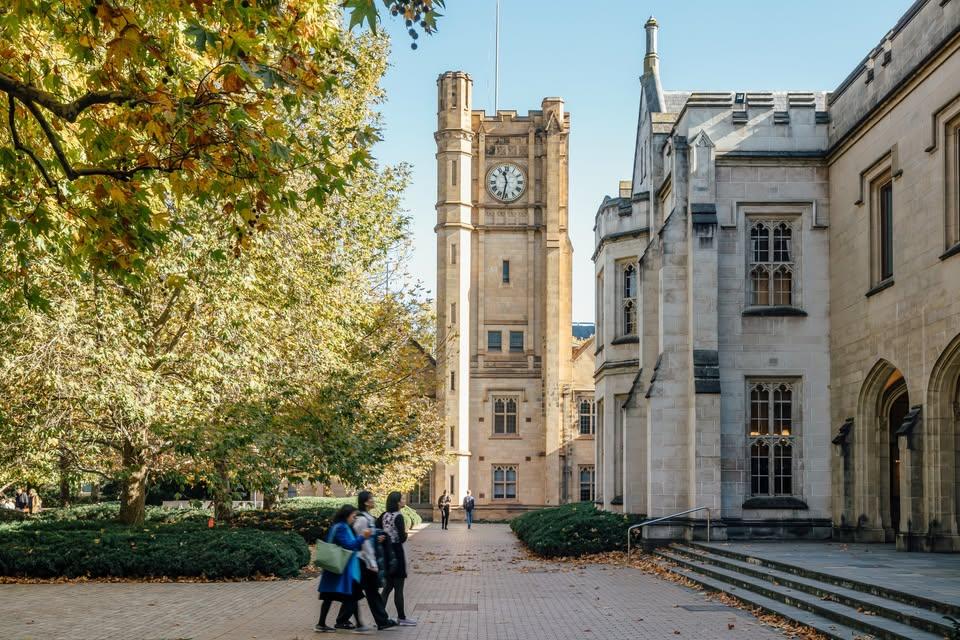
- Established in 1853, the University of Melbourne makes distinctive contributions to society in research, learning and teaching and engagement.
- UoM is consistently ranked among the leading universities in the world, with international rankings of world universities placing it as #1 in Australia and #19 in the world in the QS World Rankings 2026 - rankings.
- The University of Melbourne has one primary campus – Parkville – north of the Melbourne CBD and associated campuses including Southbank, and rural campuses - Campuses and Facilities.
- UoM offers both undergraduate and graduate degrees - Courses at UoM.
- UoM offers a range of Graduate Degree Packages whereby students can bundle an undergraduate degree offer with an offer for a place in one of the specialised, professionally accredited graduate school programs.
- The Bachelor of Design offers 14 majors, including Architecture, Civil Engineering Systems, Computing and Software Systems, Construction, Digital Infrastructure Engineering Systems, Games Design, Graphic Design, Interior Design, Landscape Architecture, Mechanical Engineering Systems, Performance Design, Property, Spatial Systems, Urban Planning, and User Experience Design.
- The University has over 200 clubs and societies, which play an integral part of many students’ university experience - Student Clubs and Societies.
- The University encourages students to make practical learning a part of their Melbourne experience, and these include internships and cadetships, leadership opportunities, and volunteering.
- Overseas study programs are offered to students, and they are encouraged to study part of their degree in an international setting - Study Overseas.
- The University of Melbourne offers numerous and generous undergraduate scholarships to high-achieving students, as well as numerous equity scholarships too. A recently introduced flagship scholarship is the Hansen Scholarship.
- UoM also has the Access Melbourne program aimed at students who have found high school a challenge, and their circumstances have prevented them from achieving their best - Access Melbourne.
- Students have access to a wide range of Student Services, which include - Student Services and a Careers Centre.
- UoM offers a Guaranteed Entry to Graduate pathways - Guaranteed Entry to Graduate pathways.
- UoM has numerous residential colleges for its undergraduate students - Student Accommodation.
Environmental scientists measure and record features of the environment and study, assess and develop methods of controlling or minimising the harmful effects of human activity on the environment.
Environmental science is often offered as a major in science degrees.
This is the case at Monash University - Science
and Uni Melbourne - Science.
INSTITUTION |
COURSE |
VCE PREREQUISITES |
MAJOR STUDIES IN 2026 |
CHARLES STURT |
Environmental Science and Management
|
n/a but a successful completion of Year 12 is required, and an ATAR is also used for selection. |
Applied Earth Science, Aquatic Ecosystems, Climate and Sustainability, Ecology and Conservation, Parks, Recreation and Heritage. |
DEAKIN |
Environmental Science and Sustainability ATAR: 60.55 (M) |
Units 3 and 4: a study score of at least 25 in English (EAL) or at least 20 in English other than EAL. |
Applied data analytics (minor only), Environmental science (Sustainability science, Ecology, Social science, Research methods, Mapping, Policy, Planning and impact assessment), Global engagement (minor only), Indigenous studies (Online, minor only), Sustainability (Environmental management, Water, Waste, Climate, Nature conservation, Parks, Bushfire, Catchments, Coasts, Sustainable communities). |
FEDERATION |
|
Units 3 and 4: a study score of at least 20 in any English; Units 3 and 4: a study score of at least 20 in one of any Mathematics or any Science. |
Climate change, Conservation, Ecology, Environmental restoration |
RMIT |
ATAR: 70.95 (C) |
Units 3 and 4: a study score of at least 25 in English other than EAL or at least 27 in EAL; Units 3 and 4: a study score of at least 20 in one of Maths: General Mathematics, Maths: Mathematical Methods or Maths: Specialist Mathematics. |
Conservation, Ecology, Environmental analysis, Environmental biology, Environmental chemistry, Environmental monitoring, Environmental policy and management. |
Sustainability and Environment ATAR: 60.80 (C) |
Units 3 and 4: a study score of at least 25 in English other than EAL or at least 27 in EAL. |
Applied environmental research, Climate change, Conservation, Ecology, Economics, Environmental Impact Assessment, Environmental economics, Environmental policy, Environmental studies, Environmental systems, Geography, Indigenous Peoples and land management, Natural resource management, Politics, Sustainability, Urban and regional planning, Urbanisation. |
|
VICTORIA |
Science ATAR: N/P (F) |
Units 3 and 4: a study score of at least 25 in English (EAL) or at least 20 in English other than EAL; Units 3 and 4: a study score of at least 20 in any Mathematics *. |
Biotechnology, Ecology and Environmental Management. |
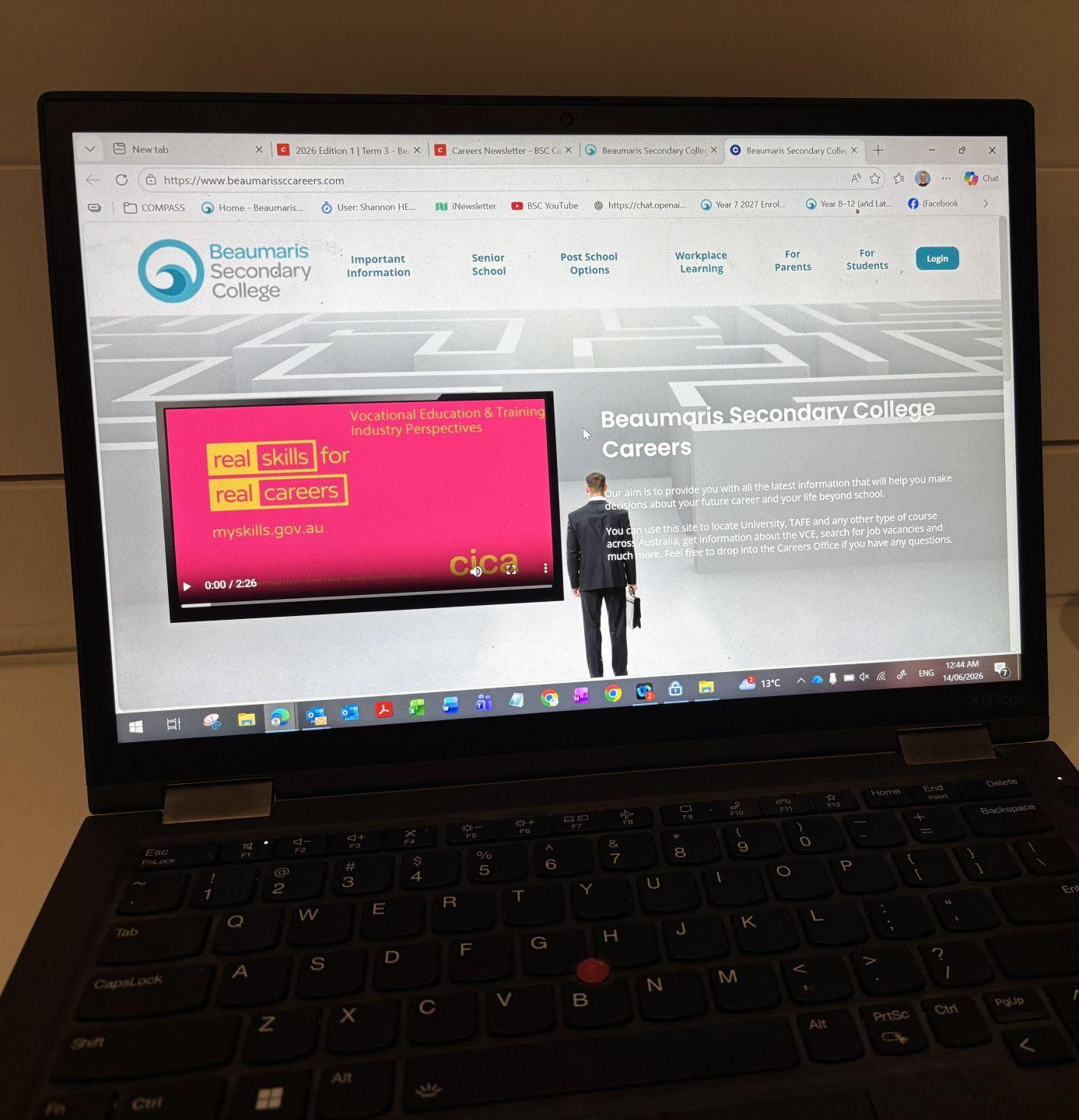
The Beaumaris Careers website is your go-to resource for senior pathways, post-school options, workplace information and more. Explore the student portal to access tools like the Career Action Plan, e-Portfolio, Skills and Abilities Evaluation, and Career Investigator, providing invaluable insights into VCE Studies and opportunities beyond school.